
E-mail: ncjt@zjncjt.com


Vacuum heat treatment is a specialized thermal processing technique widely used in industries such as aerospace, automotive, tooling, and precision engineering. Its core advantage over traditional heat treatment methods is its ability to process metals without oxidation and decarburization , which are common issues when metals are exposed to air at high temperatures. Understanding how vacuum heat treatment achieves this helps explain why it is preferred for high-value or precision components.
When metals, particularly steels and alloys, are heated in open air furnaces :
Both processes negatively affect the mechanical properties and appearance of the treated metal, making them problematic for high-precision or high-performance components.
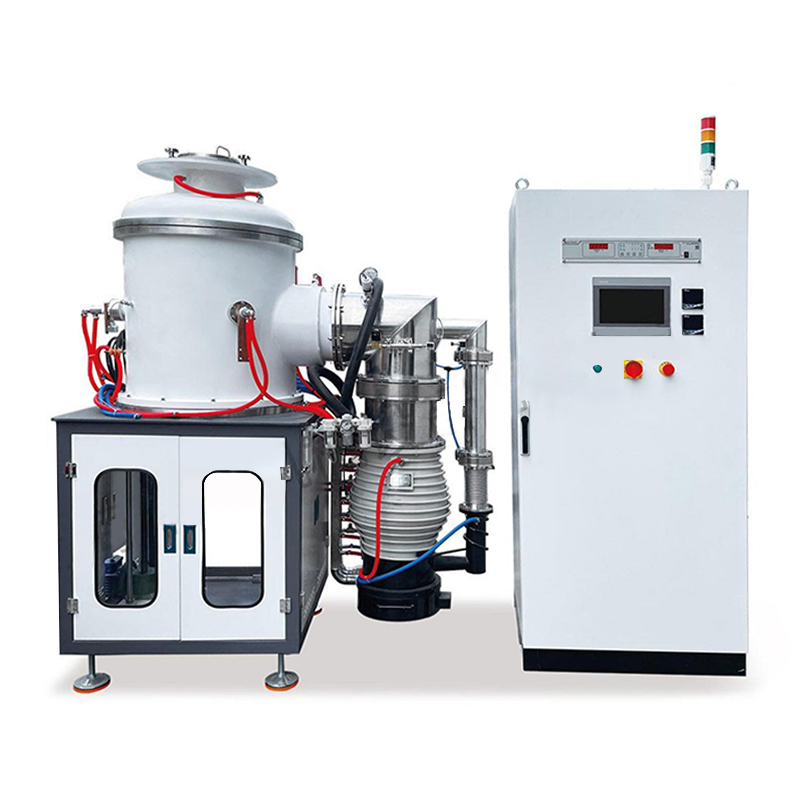
Vacuum heat treatment addresses these problems by eliminating air and oxygen from the furnace chamber . The treatment occurs inside a vacuum furnace where:
By processing metals in a vacuum, the surface remains clean, bright, and chemically stable , eliminating the need for post-treatment descaling.
In conventional furnaces, oxygen molecules interact with hot metal surfaces to form oxide layers. In a vacuum furnace:
This is especially important for high-alloy steels, titanium, and superalloys , where surface integrity is critical for mechanical performance or further processing such as coating or welding.
Decarburization occurs when carbon atoms near the metal surface react with oxygen or water vapor, forming carbon monoxide (CO) or carbon dioxide (CO₂), leading to carbon loss. Vacuum heat treatment prevents this in several ways:
The result is a uniform surface hardness and improved wear resistance , which is critical for tools, gears, and other high-performance components.
Preventing oxidation and decarburization is just one advantage. Vacuum heat treatment also:
These benefits make vacuum heat treatment ideal for aerospace components, medical instruments, high-speed steel tools, and automotive precision parts .
Industries that rely on vacuum heat treatment to prevent oxidation and decarburization include:
Vacuum heat treatment ensures these critical components meet both mechanical and aesthetic standards .
Vacuum heat treatment prevents oxidation and decarburization primarily by removing oxygen and reactive gases from the furnace environment , creating a controlled vacuum atmosphere. This prevents surface reactions that degrade the metal, preserving carbon content, hardness, and surface finish . The process not only protects the mechanical properties of metals but also enhances their appearance and suitability for further processing. For industries requiring high-performance and precision components, vacuum heat treatment is an essential technology that ensures quality, reliability, and durability.
Introduction: ปัจจุบันวัสดุแผ่นใยไม้อัดอลูมิเนียมซิลิเกตเป็นวัสดุฉà...
Introduction: ผลิตภัณฑ์ไฟเบอร์ทนไฟอะลูมิเนียมซิลิเกตผลิตโดยกระบวนกà...
Introduction: 1、 ซับในเตาไฟเบอร์เซรามิกรูปทรงสำหรับแผ่นใยเซรามิกอลูà¸...

An enterprise integrating design, R&D, production, sales and engineering services. Ceramic Fiber Board Manufacturers, Vacuum Heat Treatment Solutions in China.
Phone: +86-13967261180
+86-17858398898
Email: ncjt@zjncjt.com
Arlen@zjncjt.com
Tel: +86-572-8295956
Add: Wulintou, หมู่บ้าน Tangbei, เมือง Leidian, ประเทศ Deqing, เมืองหูโจว, มณฑลเจ้อเจียง, จีน
ลิขสิทธิ์ © 2024 เจ้อเจียง Nengcheng คริสตัลไฟเบอร์ จำกัด สงวนลิขสิทธิ์.
