
E-mail: ncjt@zjncjt.com


Metal melting furnaces are critical in industries ranging from steelmaking and foundry work to aluminum casting and recycling. These furnaces provide the controlled heat required to transform solid metals into liquid form, enabling the production of castings, alloys, and finished products. Different furnace types have evolved to meet specific needs in terms of metal type, production scale, efficiency, and energy source. Understanding the main types of metal melting furnaces helps manufacturers choose the right equipment for their operations.
The induction furnace is one of the most widely used modern melting systems. It relies on electromagnetic induction to generate heat directly inside the metal charge. An alternating current flows through a coil surrounding the crucible, producing an electromagnetic field. This field induces eddy currents in the metal, rapidly heating and melting it.
Advantages :
Applications : Induction furnaces are commonly used in steel plants, foundries, and non-ferrous processing facilities. They are suitable for melting iron, steel, aluminum, copper, brass, and specialty alloys, making them versatile across multiple industries.
The crucible furnace is one of the oldest and simplest furnace designs. A crucible—usually made of graphite, ceramic, or refractory material—holds the metal to be melted. The crucible is then heated externally by a fuel source such as coke, gas, oil, or electricity.
Advantages :
Applications : Crucible furnaces are widely used for non-ferrous metals such as aluminum, bronze, brass, and precious metals like gold and silver. Their flexibility and simplicity make them popular in small foundries, jewelry making, and laboratory applications.
The cupola furnace is a vertical, shaft-type furnace traditionally used for melting cast iron. It is charged from the top with alternating layers of iron, coke, and flux. Air is blown in near the bottom to maintain combustion, while molten iron collects at the bottom for tapping.
Advantages :
Applications : Cupola furnaces are most common in foundries producing gray iron and ductile iron castings. Although less common today due to environmental concerns, they are still valued where large quantities of iron are required.
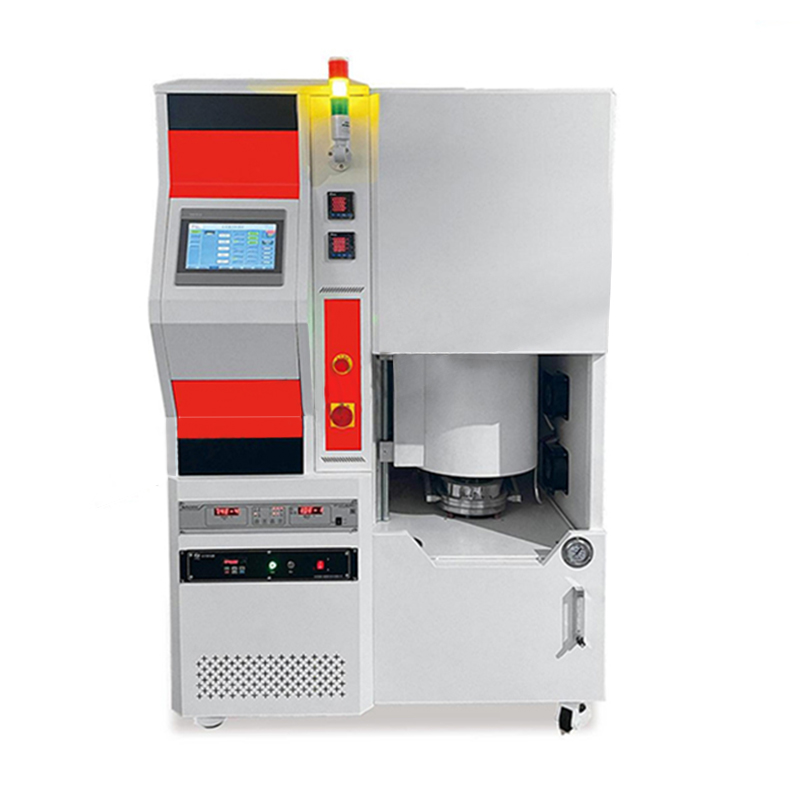
The electric arc furnace is essential in modern steel production, especially for recycling scrap steel. It generates intense heat by striking an electric arc between graphite electrodes and the metal charge. The extreme temperature quickly melts scrap and allows precise adjustment of the chemical composition.
Advantages :
Applications : Electric arc furnaces are widely used for producing steel, including stainless steels, specialty steels, and recycled steel products. They dominate in mini-mills and steel recycling facilities.
A reverberatory furnace relies on reflected heat to melt the charge. The fuel is burned in a separate chamber, and heat is reflected off the furnace roof and walls onto the metal, avoiding direct contact between the fuel and molten metal.
Advantages :
Applications : Reverberatory furnaces are primarily used for aluminum and copper production. They are widely employed in aluminum recycling plants and smelters due to their ability to handle large volumes.
The blast furnace is historically the backbone of ironmaking. Although technically a smelting furnace rather than a melting furnace, it plays a vital role in producing molten pig iron from iron ore. The furnace is charged with iron ore, coke, and limestone, and a continuous blast of hot air is blown in to sustain combustion.
Advantages :
Applications : Blast furnaces are primarily used in integrated steel plants for large-scale production of molten iron, which is later refined into steel.
Selecting the correct metal melting furnace depends on several factors:
The main types of metal melting furnaces— induction, crucible, cupola, electric arc, reverberatory, and blast furnaces —serve distinct purposes in metallurgy. Each design offers unique advantages, whether it is the efficiency of induction furnaces, the recycling capabilities of electric arc furnaces, or the large-scale output of blast furnaces. By understanding the strengths and applications of each type, manufacturers and foundries can choose the best melting technology for their specific production needs.
As industries continue to prioritize efficiency and sustainability, electric-powered systems such as induction and arc furnaces are becoming increasingly dominant. However, traditional designs like crucible and cupola furnaces remain relevant in specialized applications. Together, these furnaces form the foundation of global metal production and recycling, supporting industries from automotive and aerospace to construction and electronics.
Introduction: ปัจจุบันวัสดุแผ่นใยไม้อัดอลูมิเนียมซิลิเกตเป็นวัสดุฉ...
Introduction: ผลิตภัณฑ์ไฟเบอร์ทนไฟอะลูมิเนียมซิลิเกตผลิตโดยกระบวนก...
Introduction: 1、 ซับในเตาไฟเบอร์เซรามิกรูปทรงสำหรับแผ่นใยเซรามิกอลู...

An enterprise integrating design, R&D, production, sales and engineering services. Ceramic Fiber Board Manufacturers, Vacuum Heat Treatment Solutions in China.
Phone: +86-13967261180
+86-17858398898
Email: ncjt@zjncjt.com
Arlen@zjncjt.com
Tel: +86-572-8295956
Add: Wulintou, หมู่บ้าน Tangbei, เมือง Leidian, ประเทศ Deqing, เมืองหูโจว, มณฑลเจ้อเจียง, จีน
ลิขสิทธิ์ © 2024 เจ้อเจียง Nengcheng คริสตัลไฟเบอร์ จำกัด สงวนลิขสิทธิ์.
